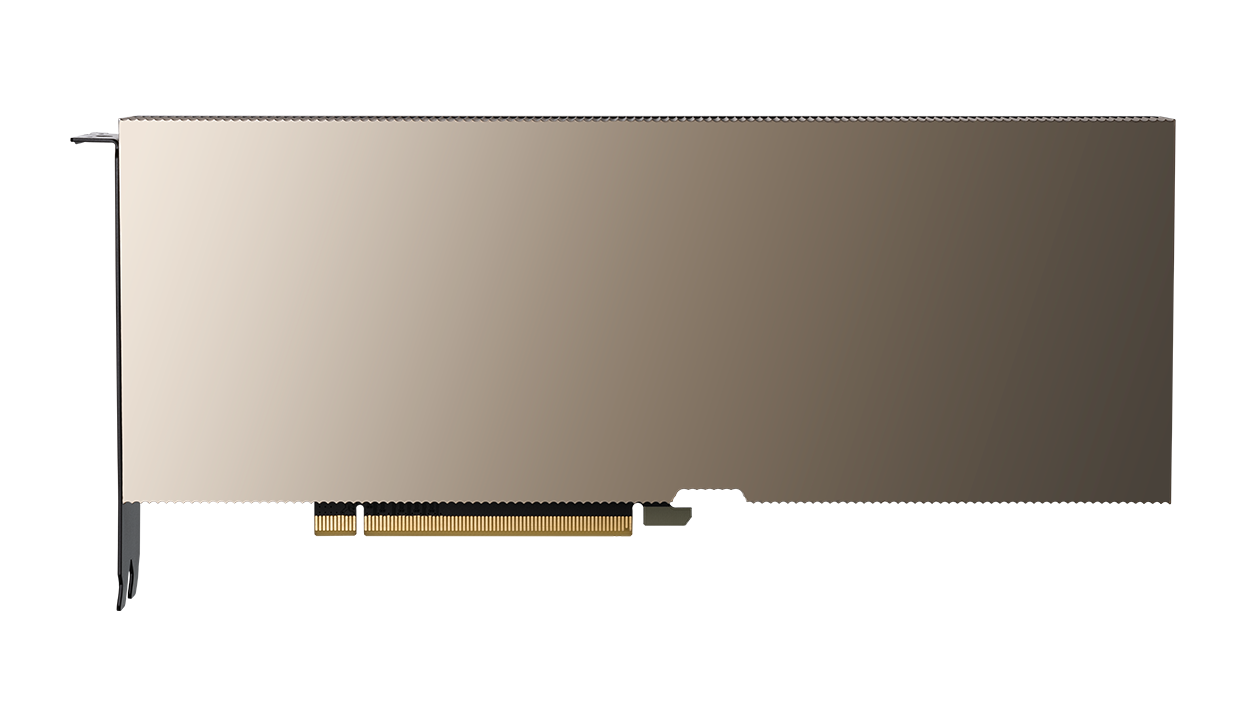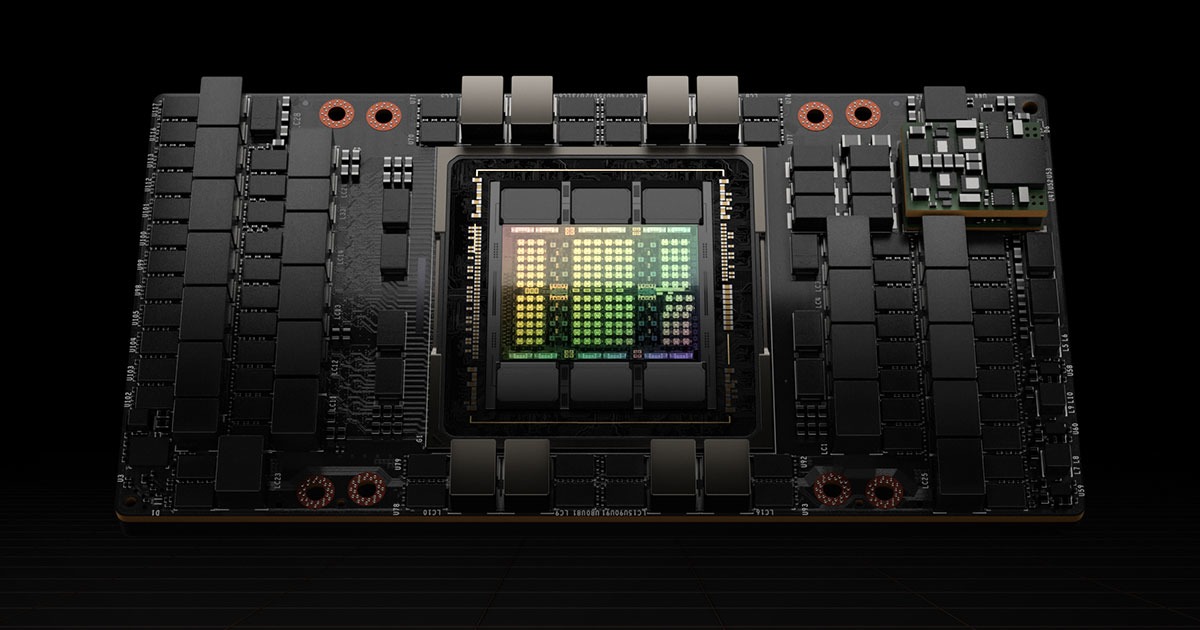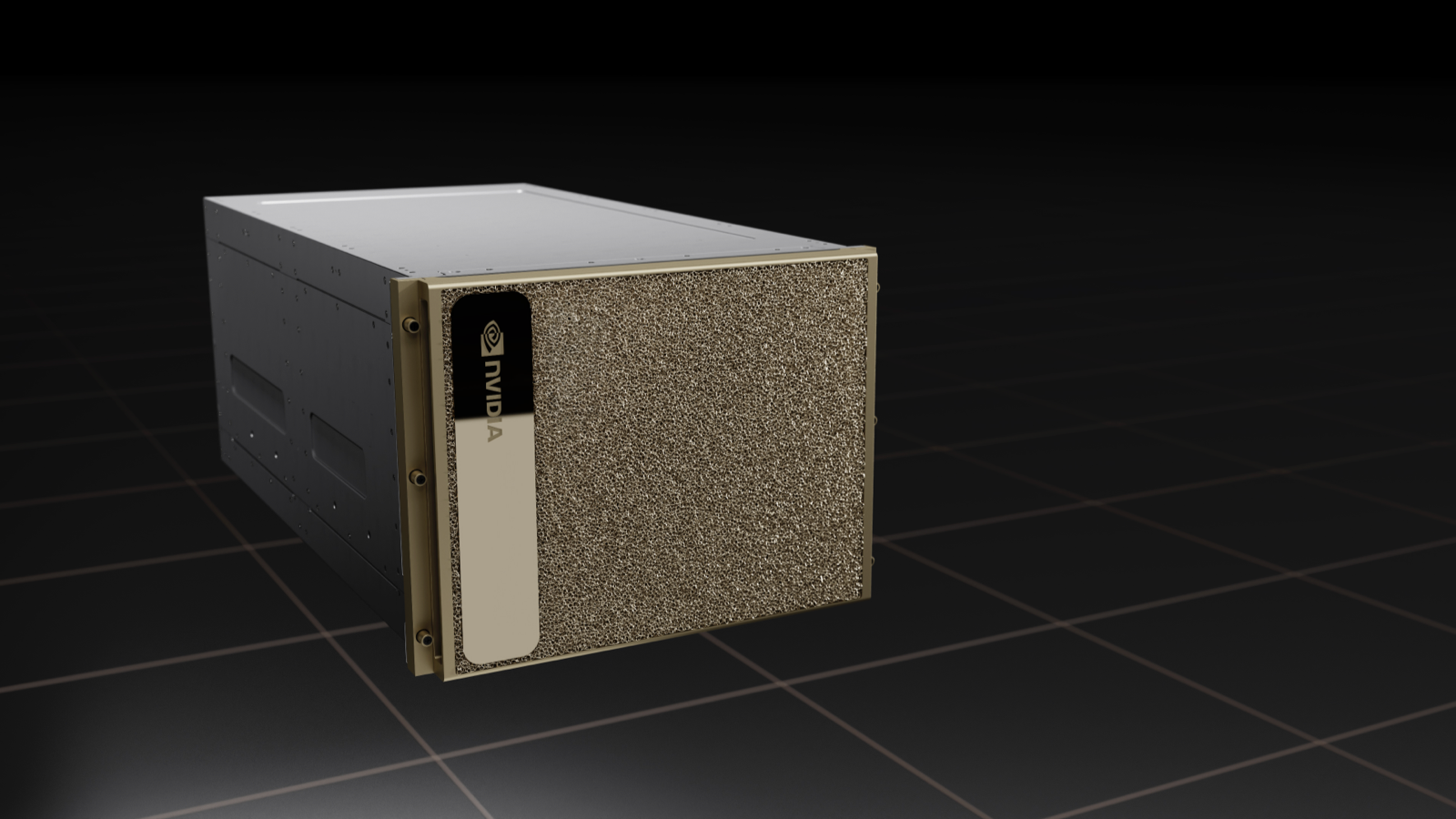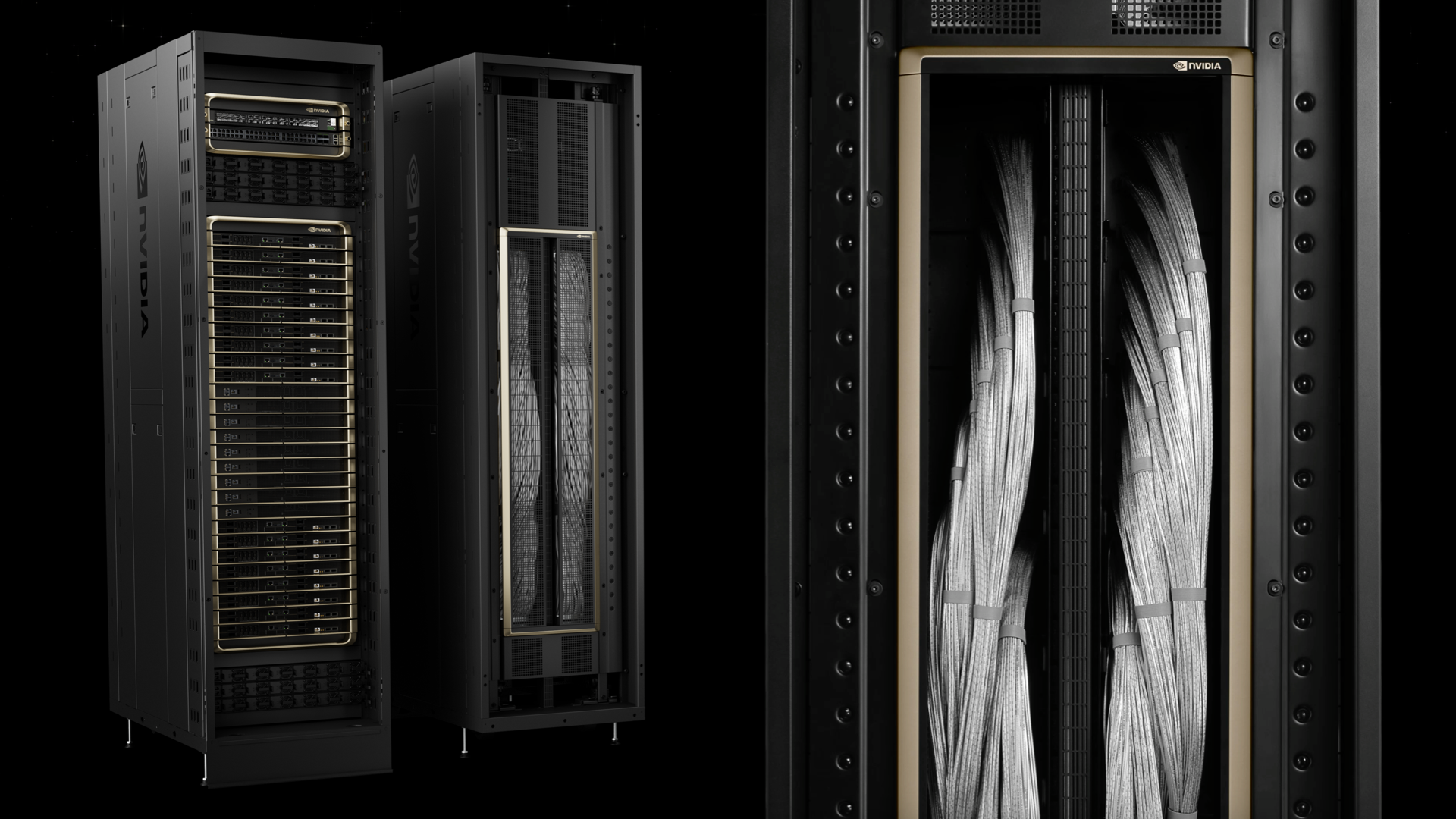
GB200 NVL72

Anton's AI Hardware GPU

The most powerful AI hardware on Earth

GB200 NVL72 — $2,750,000

A full liquid-cooled rack: 72 Blackwell GPUs and 36 Grace CPUs connected as one giant NVLink domain with roughly 13.8TB of combined GPU memory. This is what 'a cluster' means at the top end — one logical machine, not a pile of boxes.

Hardware

From a desktop card to a full datacenter rack. Each machine gets its own breakdown — real specs, real price, and a plain-words explanation of what it's for.

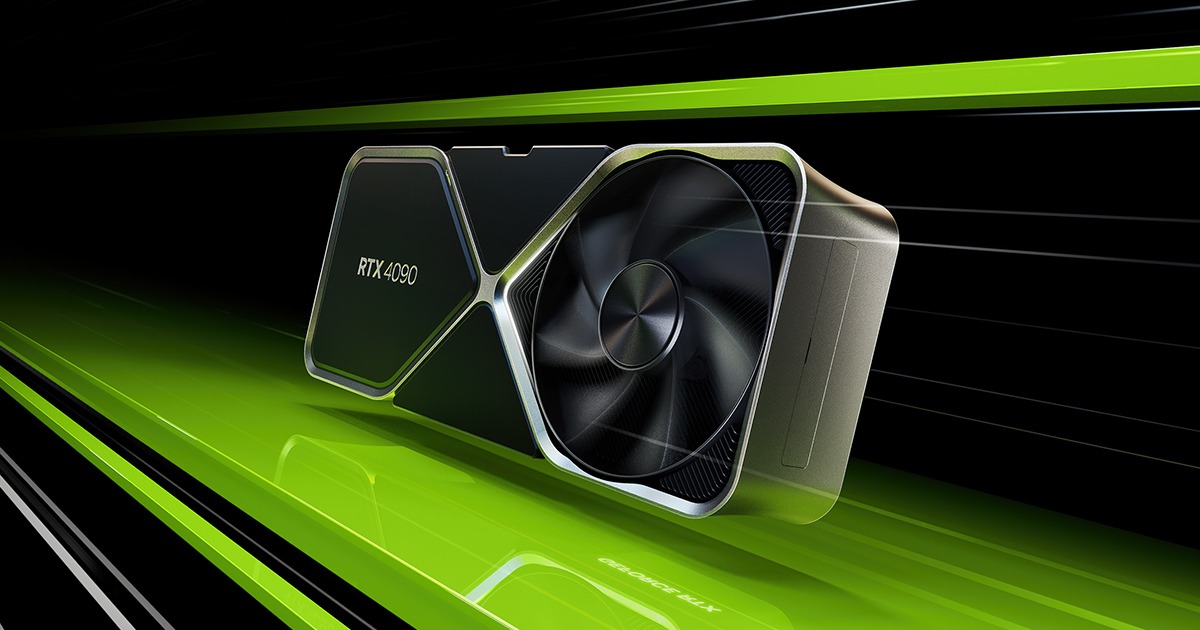
GeForce RTX 4090
Desktop GPU

GeForce RTX 4090

The enthusiast desktop card

A top-end gaming card that doubles as a cheap way to experiment with small open-source models locally. 24GB of memory is enough for models up to roughly 15-18B parameters, or for fine-tuning small models. Not enough memory for any of the frontier open models on this site.

24 GBGPU memory
450 WPower draw
1GPU
$2,500Price
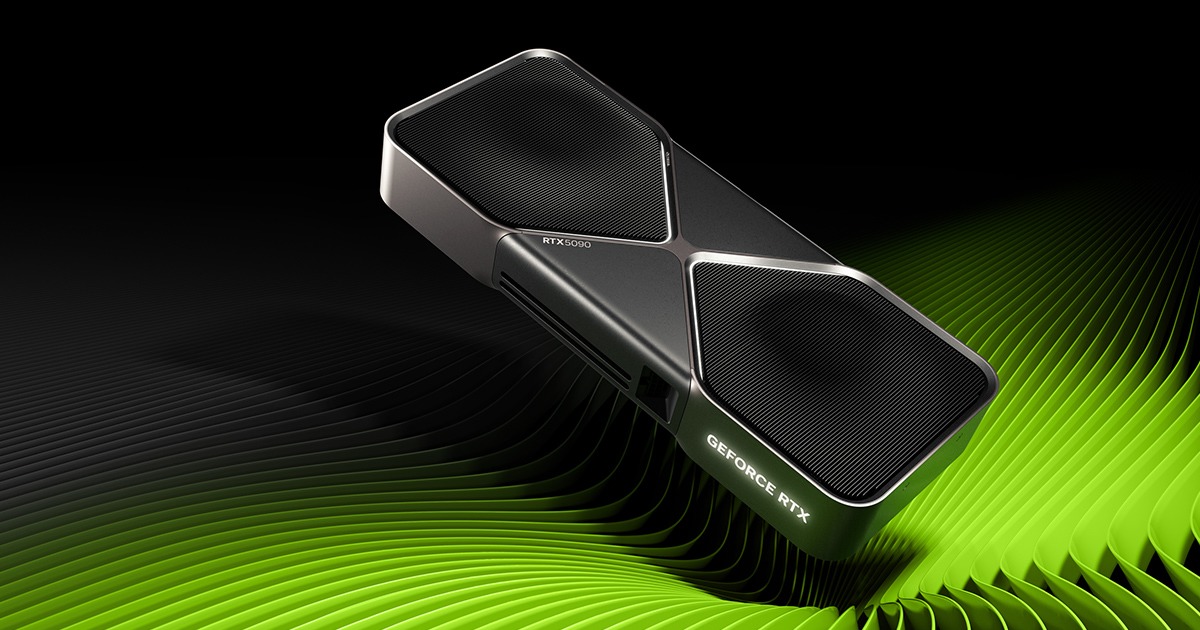
GeForce RTX 5090
Desktop GPU

GeForce RTX 5090

The newest desktop flagship

NVIDIA's newest Blackwell-based desktop card. 32GB of memory stretches to roughly 20-25B parameter models comfortably. Still a desktop card — no NVLink to other GPUs, so it cannot be meaningfully clustered for huge models.

32 GBGPU memory
575 WPower draw
1GPU
$3,600Price
A100 80GB
Professional GPU

A100 80GB

The workhorse datacenter GPU

A previous-generation datacenter GPU still widely used for inference. 80GB of HBM2e memory and NVLink support mean multiple A100s can be pooled into real, high-bandwidth clusters for serious models.

80 GBGPU memory
400 WPower draw
1GPU
$10,000Price
H100 80GB SXM
Professional GPU

H100 80GB SXM

The current-generation AI accelerator

The GPU most large AI labs actually train and serve on today. 80GB of HBM3 memory per card, with NVLink for true multi-GPU clustering. This is the building block behind the DGX systems below.

80 GBGPU memory
700 WPower draw
1GPU
$30,000Price
DGX H100
Datacenter Server

DGX H100

8 GPUs in one box

A single server holding 8 H100 GPUs wired together with NVLink, for a combined 640GB of GPU memory. This is real clustering: all 8 GPUs can address each other's memory at very high bandwidth, not just sit in the same box.

640 GBGPU memory
10,200 WPower draw
8GPUs
$375,000Price
GB200 NVL72
Datacenter Rack

GB200 NVL72

The most powerful AI hardware on Earth

A full liquid-cooled rack: 72 Blackwell GPUs and 36 Grace CPUs connected as one giant NVLink domain with roughly 13.8TB of combined GPU memory. This is what 'a cluster' means at the top end — one logical machine, not a pile of boxes.

13,824 GBGPU memory
120,000 WPower draw
72GPUs
$2,750,000Price

Models

Three real open-source models from the leaderboard. Here's exactly what it takes to run each one.

DeepSeek V4 Pro

MIT MoE

A 1.6 trillion parameter mixture-of-experts model — only 49B parameters are active per token, but every parameter still has to live in GPU memory.

1600B params × 1 GB = 1,600 GB
+ 20% working room = 1,920.0 GB minimum
Minimum required: 1,920.0 GB Recommended build provides: 1,920 GB

Minimum setup: Startup Build — DeepSeek V4 Pro — 3× DGX H100 — $1,125,000 total

3 DGX H100 systems, networked together, give 1,920GB of pooled GPU memory — exactly enough headroom for DeepSeek V4 Pro's 1,920GB minimum.

GLM 5.2 Max

MIT MoE

A 753B parameter MoE model with 40B active parameters — a strong open model at roughly half the memory footprint of DeepSeek V4 Pro.

753B params × 1 GB = 753 GB
+ 20% working room = 903.6 GB minimum
Minimum required: 903.6 GB Recommended build provides: 1,280 GB

Minimum setup: Startup Build — GLM 5.2 Max — 2× DGX H100 — $750,000 total

2 DGX H100 systems give 1,280GB of pooled memory, comfortably above GLM 5.2 Max's 903.6GB minimum, at the lowest real unit count that clears the bar.

Nemotron 3 Ultra

OpenMDW-1.1 MoE

NVIDIA's 550B parameter MoE model, the smallest of the three but still far beyond what a single GPU — or even a single desktop card cluster — can hold.

550B params × 1 GB = 550 GB
+ 20% working room = 660.0 GB minimum
Minimum required: 660.0 GB Recommended build provides: 1,280 GB

Minimum setup: Startup Build — Nemotron 3 Ultra — 2× DGX H100 — $750,000 total

Nemotron 3 Ultra needs 660GB minimum — just over what a single DGX H100 (640GB) provides, so the cheapest safe build is 2 DGX H100 systems (1,280GB).

Clusters

A cluster, in plain words: multiple GPUs wired together with a fast interconnect (NVLink) so they behave like one much larger GPU, instead of several small separate ones.

The honest part: a datacenter cluster (DGX systems, GB200 racks) uses purpose-built NVLink fabric so every GPU can read every other GPU's memory at hundreds of gigabytes per second. A pile of desktop cards (RTX 4090s or 5090s) has no such fabric — you can add up their memory on a spec sheet, but you cannot actually run one giant model split across them at usable speed. That's why every recommended build on this site below uses real datacenter hardware, never a stack of desktop cards.

BuildUnitsCombined MemoryCombined PowerTotal Price
Startup Build — DeepSeek V4 Pro 3× DGX H100 1,920 GB 30,600 W $1,125,000
Startup Build — GLM 5.2 Max 2× DGX H100 1,280 GB 20,400 W $750,000
Startup Build — Nemotron 3 Ultra 2× DGX H100 1,280 GB 20,400 W $750,000
Mid-Size Growth Cluster — GB200 NVL72 1× GB200 NVL72 13,824 GB 120,000 W $2,750,000

Power, made real

Watts on a spec sheet don't mean much on their own. Here's what each build actually costs to run, translated into homes and electric-car batteries. Reference: 1 home ≈ 1,200 W around the clock · 1 EV battery ≈ 90 kWh.

Startup Build — DeepSeek V4 Pro

30,600 W

That's as much power as 26 average homes running around the clock — or draining an EV battery every 2.94 hours.

Startup Build — GLM 5.2 Max

20,400 W

That's as much power as 17 average homes running around the clock — or draining an EV battery every 4.41 hours.

Startup Build — Nemotron 3 Ultra

20,400 W

That's as much power as 17 average homes running around the clock — or draining an EV battery every 4.41 hours.

Mid-Size Growth Cluster — GB200 NVL72

120,000 W

That's as much power as 100 average homes running around the clock — or draining an EV battery every 0.75 hours.

Not sure what you need?

Answer a couple of questions and we'll recommend a build.

Help Me Choose